Digestion
A holistic approach for treating IBS
Acupuncture and Chinese herbal medicine may help some people with IBS ease pain, bloating and irregular bowel habits. They work alongside your doctor's care, not instead of it, and results vary from person to person. Most good IBS plans also include diet changes and stress care, because the gut and the brain affect each other.
What is IBS?
Irritable bowel syndrome (IBS) is a long-term condition with abdominal pain, bloating and changes in bowel habits, but no visible damage to the gut. It is a functional disorder: the problem is in how the gut works, not in its structure. That's why tests often come back normal while the symptoms carry on.
The exact cause is unknown. Genetics, diet, stress, past gut infections, sensitive gut nerves and changes in the gut microbiome are all thought to play a part. Most people have a mix of these, which is one reason the same treatment does not suit everyone.
What are the symptoms of IBS?
Symptoms vary from person to person and can change over time. They may include:
- Abdominal pain or cramping, often eased by a bowel movement
- Bloating and gas
- Diarrhea, constipation, or a pattern that swings between both
- Urgency to have a bowel movement
- Mucus in the stool
- A feeling that the bowel has not fully emptied
Planning meals, travel and work around the bathroom is tiring. Many people with IBS also live with anxiety or low mood.
See your doctor first if you notice blood in the stool, unexplained weight loss, fever, pain that wakes you at night, or symptoms that start after age 50. These are not typical of IBS and need medical assessment.
Is IBS dangerous?
IBS does not damage the bowel and is not known to raise the risk of colon cancer. It can still disrupt work days, plans and relationships.
There is also a loop worth knowing about. Stress can make gut symptoms worse, and unpredictable gut symptoms are stressful. The gut and the brain talk to each other all the time. That's why stress care is part of most IBS plans, in both Western and Chinese medicine.
Can acupuncture and Chinese herbs help IBS?
Traditional Chinese Medicine (TCM) sees IBS as a pattern of imbalance in the digestive system, often involving what TCM calls the Spleen, Stomach and Liver. Two people with the same diagnosis can have different patterns: one with loose stools and fatigue, another with cramping and constipation that flare with stress. Treatment is planned around your pattern.
Acupuncture
Acupuncture uses thin, sterile, single-use needles at specific points on the body. Research on acupuncture for IBS is growing, and some studies suggest it may help reduce abdominal pain and bloating, improve bowel habits and lower stress levels. Results are mixed and not everyone responds, so we review progress with you after a few sessions rather than promising an outcome.
Chinese herbal medicine
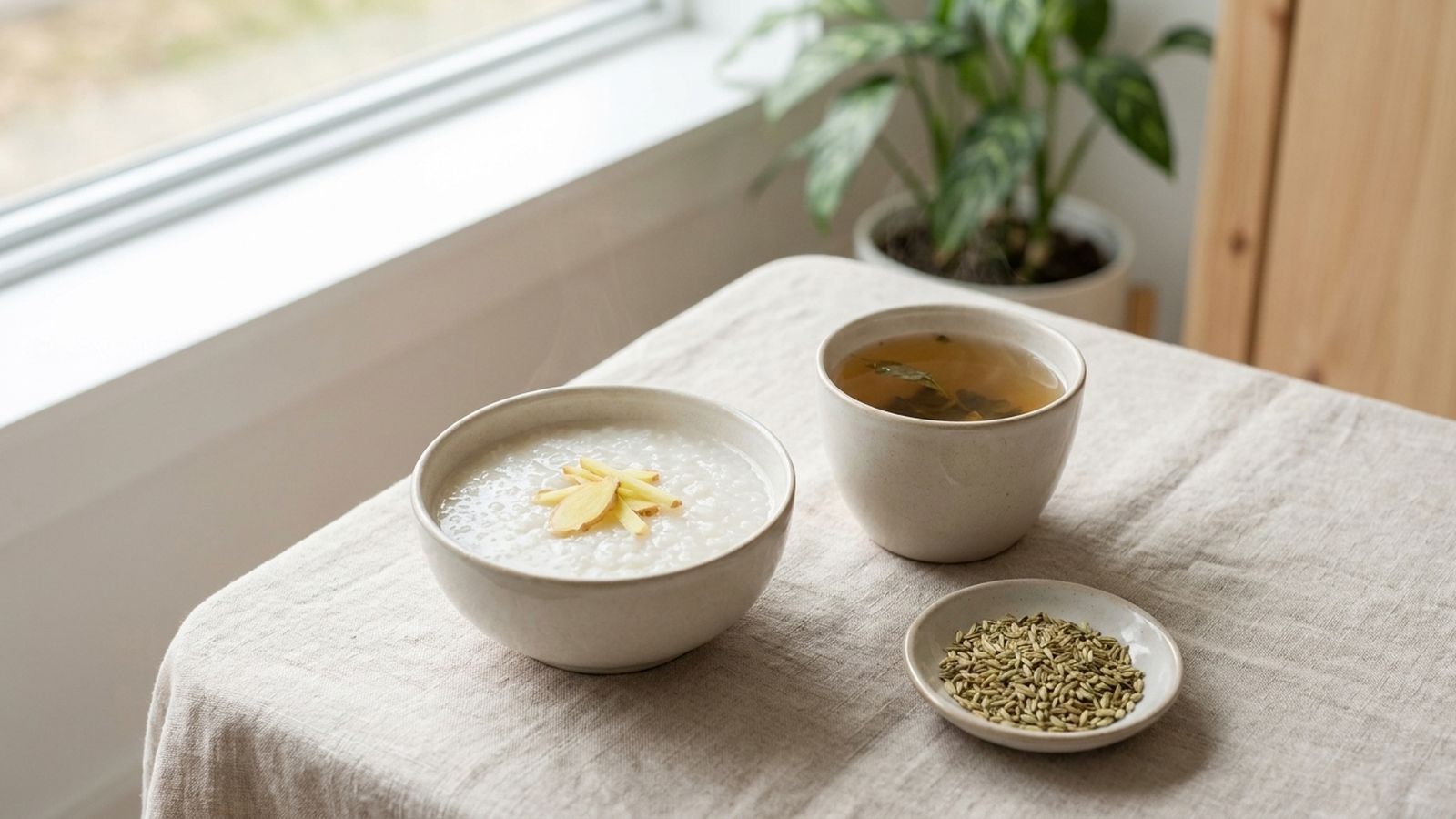
Herbs are often used in TCM to address the pattern behind the symptoms. Some plants used for digestion are familiar from the kitchen: peppermint, ginger and licorice root have long traditional use for digestive discomfort, and peppermint oil is one of the options many doctors also mention for IBS. Through Chinese herbal medicine, formulas are matched to the person rather than the diagnosis alone.
Herbs are not risk-free. Licorice, for example, can raise blood pressure in some people. Always tell us what medications and supplements you take, and whether you are pregnant or trying to be, so formulas can be chosen safely.
What else helps with IBS?
Acupuncture and herbs are usually one part of a wider plan that may also include:
- Diet changes. Keeping a food and symptom diary for a few weeks often shows patterns. Some people are guided by their doctor or dietitian through a low-FODMAP approach.
- Regular meals. Eating at steady times and not rushing meals can make a noticeable difference.
- Stress management. Breathing exercises, walking, better sleep and support for anxiety. Our page on acupuncture for anxiety and stress explains how we approach this side.
- Staying in touch with your doctor. Acupuncture works alongside medical care, not in place of it.
What happens at a first visit?
At your first visit, Dalibor Covic, R.TCMP, asks about your symptoms, diet, sleep, stress and medical history, and checks your pulse as part of the TCM assessment. You then get a first treatment and a plan, including how many sessions are suggested and what they cost, before anything goes further. Your first visit is an initial examination ($110, about 60 minutes) followed by your first acupuncture treatment ($120).
Next steps
To read more about how we work with gut symptoms, see acupuncture for digestion and bloating in Mississauga. When you are ready, you can book a first visit at our clinic near Hwy 401 and Dixie Rd in Mississauga, about 20 minutes from Etobicoke.
Common questions
Can acupuncture replace my IBS medication?
No. Acupuncture is used alongside medical care, not instead of it. Keep taking what your doctor prescribed and talk to them before changing anything.
Do I need a diagnosis before I come in?
It helps. Symptoms like blood in the stool, weight loss or night-time pain need a medical check first, because they are not typical of IBS.
How many sessions do people usually have for IBS?
It varies. Dalibor usually suggests a short course of weekly visits and then reviews with you what has changed before planning further sessions.
This page is general information, not medical advice. Acupuncture works alongside the care you get from your family doctor. If your symptoms are new, severe or getting worse, see your doctor first.
New patients