Liver health
Fatty liver disease: what it means and how we can help
Fatty liver means extra fat has built up inside the liver. It's usually silent and found by chance on an ultrasound or blood test, and it's closely tied to weight, blood sugar and blood fats. Diet is the main thing that moves it. At our Mississauga clinic, Dalibor Covic, R.TCMP, supports your doctor's plan with holistic nutrition, acupuncture and Chinese herbs.
What is fatty liver disease?
Fatty liver disease means extra fat has built up inside the liver cells. It is often found by chance on an ultrasound, or after routine blood work shows raised liver enzymes.
Here we mean the form that is not caused by heavy drinking. It was long called non-alcoholic fatty liver disease (NAFLD). In 2023 international liver societies renamed it metabolic dysfunction-associated steatotic liver disease (MASLD), which puts the focus on metabolism. Alcohol-related fatty liver is a separate condition with a different plan.
It is common. It is generally estimated to affect about one in four adults worldwide, and rates have risen along with obesity and type 2 diabetes.
What are the symptoms and risk factors?
Most people have no symptoms, especially early on. Some notice tiredness or a dull discomfort in the upper right side of the abdomen. That's why it is usually found through tests.
Doctors look instead for the conditions that tend to come with it:
- Being overweight, especially a larger waist circumference
- High blood pressure
- High triglycerides and low HDL ("good") cholesterol
- Pre-diabetes or type 2 diabetes
Together these are often called metabolic syndrome. The more of them a person has, the more likely a fatty liver becomes.
Is fatty liver serious?
In many people fatty liver stays mild. In some, the fat leads to inflammation in the liver, which over years can cause scarring (fibrosis) and, in a smaller group, cirrhosis and a higher risk of liver cancer. Your doctor may use blood tests or a special liver scan to check for scarring.
Fatty liver is also linked to a higher risk of heart and blood vessel disease, such as heart attack, heart rhythm problems and stroke. For many people this is the bigger concern, which is why managing weight, blood sugar, blood pressure and cholesterol matters so much.
The good news: in its earlier stages fatty liver often improves when the underlying metabolic factors improve. Gradual weight loss, more movement and a better diet are the foundation of the medical plan, and your doctor will monitor your blood work over time.
Can acupuncture help with fatty liver?
Not on its own. Research on acupuncture for fatty liver itself is limited and early. Our aim is to support the changes that actually move fatty liver: eating differently, moving more, sleeping better and handling stress.
What acupuncture may help with is the day-to-day side: appetite and cravings, digestion, sleep and stress, which often get in the way of diet and weight changes. In TCM terms, a fatty liver is often seen as a pattern of "dampness" and sluggish Spleen and Liver function, and points are chosen to match the person's pattern. Acupuncture with sterile, single-use needles is generally low-risk.
What role do Chinese herbs and diet play?
Chinese herbal medicine
Chinese herbal formulas are chosen to support digestion and the body's overall balance according to your TCM pattern. Because the liver processes most herbs and medications, herbal prescriptions for someone with a liver diagnosis need extra care. We ask about your blood tests and every medication and supplement you take, and we encourage you to keep your doctor informed.
Diet
Diet is the most important part of improving a fatty liver. Fat tends to build up in the liver when the body takes in more sugar and refined carbohydrates than it can use. Fructose from sweet drinks, juice, desserts and processed foods is thought to be especially hard on the liver, because the liver turns much of it into fat. Over time this goes hand in hand with insulin resistance, which makes the problem worse.
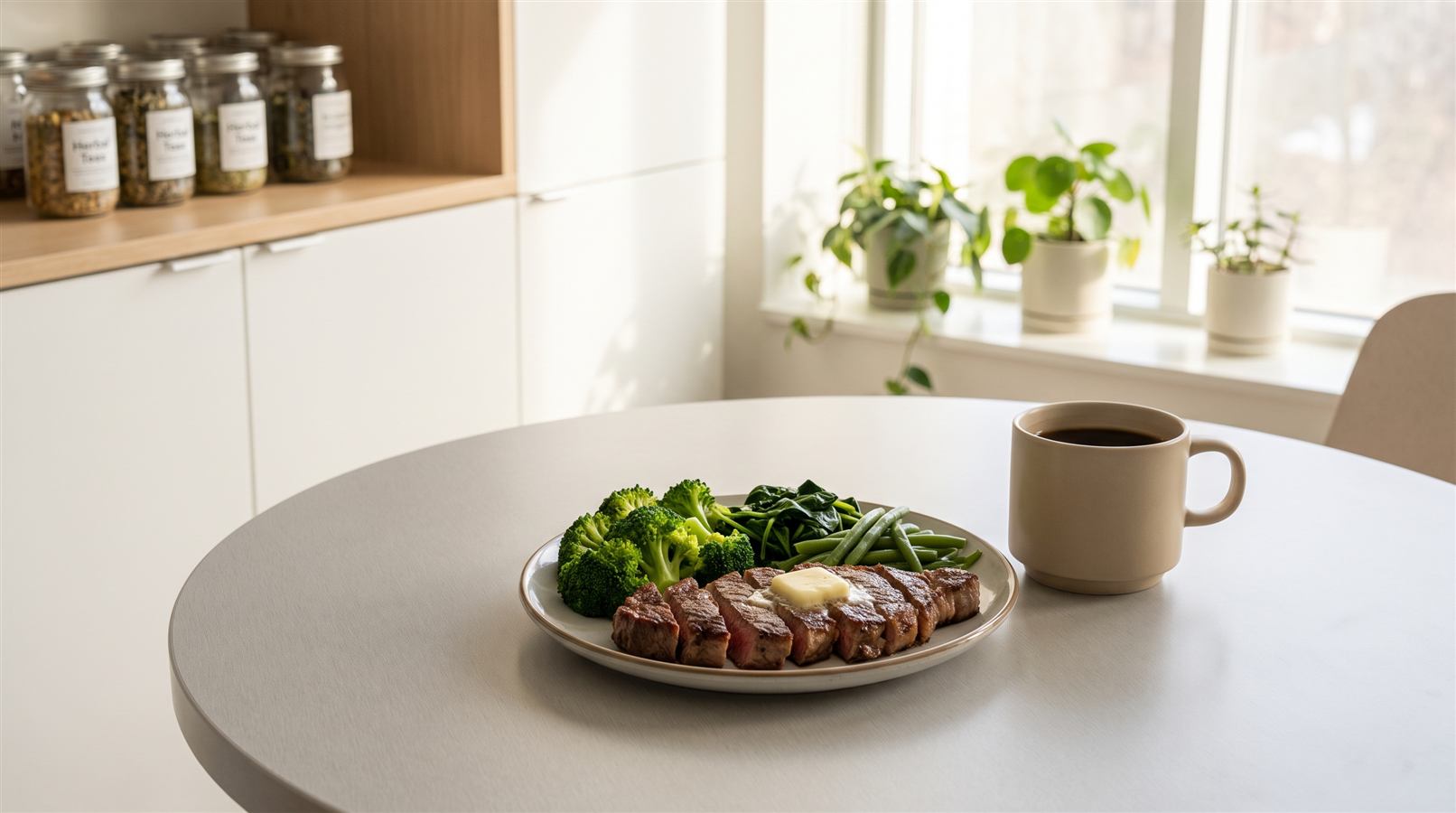
That's why our nutrition guidance focuses on lowering sugar and starch rather than simply eating less. We help patients cut out sugary drinks, sweets, flour, grains, seed oils, alcohol and processed foods. Meals are built around quality animal protein, natural fats like butter and eggs, and green vegetables. Many people find this way of eating keeps them full longer, steadies their energy and makes weight loss easier, and losing even a modest amount of weight can noticeably reduce liver fat. We also look at foods that seem to trigger inflammation or digestive symptoms for you, and we can show you simple ways to track your progress at home, such as checking blood ketones and glucose.
How do I get started?
We begin with an initial assessment with Dalibor Covic, R.TCMP. He asks about your diagnosis, test results, diet, sleep, stress and medications, and checks your pulse as part of the TCM assessment. You get a first treatment and a clear plan, with the number of sessions and the cost, before going further. Your first visit is an initial examination ($110, about 60 minutes) followed by your first acupuncture treatment ($120).
The goal is steady change in the habits behind the condition, not short-term fixes. Your doctor stays in charge of monitoring your liver. To learn more about the food side, see holistic nutrition. If you want support with diet and lifestyle changes, you can book a first visit or call us at 647-342-2281. The clinic is at 1550 Enterprise Rd in Mississauga, near Hwy 401 and Dixie Rd, with free parking.
Common questions
Can fatty liver be reversed?
Your doctor is the right person to judge your case. In many people, especially early on, changes to diet, weight, activity and blood sugar help a fatty liver improve, and that's exactly where our support focuses.
What should I eat if I have fatty liver?
In general: less added sugar, sweet drinks, refined carbs and alcohol; more vegetables, fibre and whole foods. Holistic nutrition turns that into meals that fit your life, so it doesn't feel like a punishment.
Do I need my blood work for the first visit?
Please bring recent results (liver enzymes, blood sugar, cholesterol) and any ultrasound report. They help Dalibor see where you're starting and track changes with you.
I don't live in Mississauga. Can I still come?
Yes. The clinic is near Hwy 401 and Dixie Road with free parking, easy to reach from Toronto, Etobicoke, Brampton and Oakville.
Can acupuncture treat fatty liver on its own?
No. That's why we combine three approaches. Nutrition does the main work by cutting the sugar and starch that drive fat into the liver. Acupuncture may help with appetite, digestion, sleep and stress, which often get in the way of diet changes. Chinese herbs are chosen to support digestion and overall balance according to your TCM pattern. The three work like gears, each one helping the others turn.
Is it safe to take Chinese herbs if I have a liver condition?
It can be, when the herbs are carefully chosen and your progress is monitored. Before you start, please share your diagnosis, your recent blood tests, and a list of every medication and supplement you take. If you've had an ultrasound, bring the report too. Your blood tests show how well your liver is working, and the ultrasound shows how much fat has built up and whether the liver is enlarged. This helps us choose the right formula and track your progress.
This page is general information, not medical advice. Acupuncture works alongside the care you get from your family doctor. If your symptoms are new, severe or getting worse, see your doctor first.
New patients