Joint pain
Hiking and managing joint pain
Knees, hips and ankles usually ache after a hike because of overuse, long descents, worn footwear or uneven ground, sometimes on top of arthritis or an old injury. Building up gradually, using poles, taking descents slowly and strengthening between hikes often help. If the pain keeps coming back, acupuncture and Chinese herbs may help ease it.
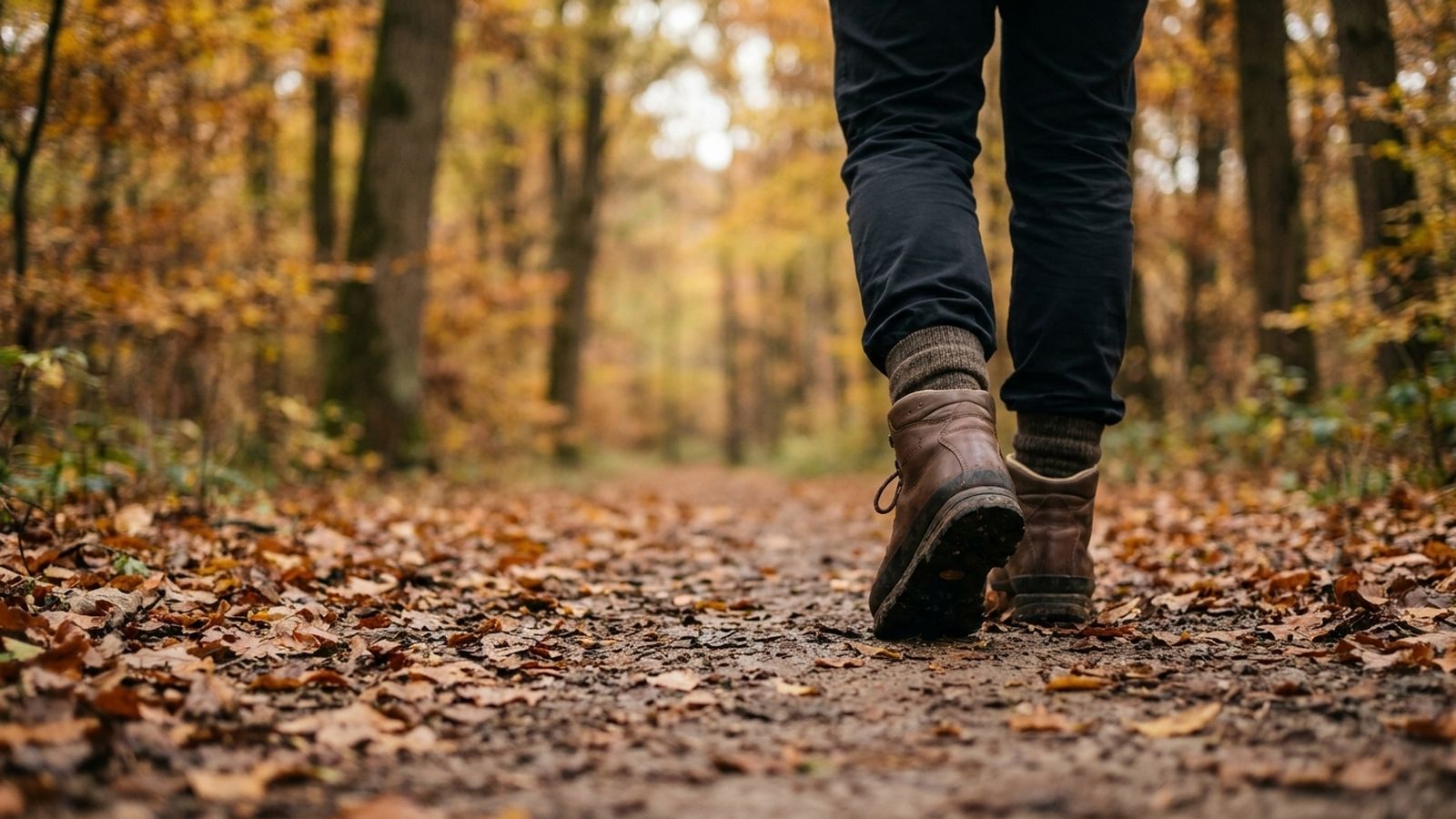
Why do joints hurt after hiking?
Uneven ground, long descents and hours on your feet ask a lot of your knees, hips and ankles. The most common reasons we hear about are:
- Overuse. Doing a longer or steeper hike than your body is used to, or several hikes close together.
- Downhill walking. Going down puts much more load through the front of the knee than going up, and it is often descents that trigger knee pain.
- Footwear. Worn-out soles, poor fit or shoes without enough grip change how the foot lands and how load travels up the leg.
- Uneven ground. Roots, rocks and loose gravel make the ankles and knees work harder to stabilise, and can lead to small twists.
- Existing conditions. Osteoarthritis, old injuries or inflammatory conditions such as rheumatoid arthritis can flare with activity.
- Muscle imbalance. Weak hips or thighs, or a stiff lower back, can shift strain onto the knees and ankles.
What if you ignore it?
Pain that keeps being ignored can become more stubborn. People often start to limp or change how they walk without noticing, which can spread the strain to the other leg, the hips or the lower back.
Get medical advice if a joint is very swollen, red or hot, if it locks or gives way, if you cannot put weight on it, or if the pain followed a fall or twist. These need a proper check by your doctor, and sometimes imaging.
How can you make hiking easier on your joints?
- Build up gradually. Increase distance and elevation step by step rather than jumping to a big hike.
- Use hiking poles. They share some of the load with your arms, especially on the way down.
- Take descents slowly. Short steps, bent knees and zigzagging on steep sections reduce the pounding.
- Check your footwear. Replace shoes that have lost their cushioning or grip, and make sure they fit with hiking socks on.
- Warm up and cool down. Five minutes of easy walking and gentle stretching before and after helps.
- Strengthen between hikes. Simple exercises for the hips, thighs and calves support the knees and ankles.
- Drink water and eat regularly. Tired, under-fuelled muscles protect the joints less well.
Can acupuncture and Chinese herbs help joint pain?
They may, used alongside the tips above and your doctor's care. Acupuncture uses thin, sterile, single-use needles at points around the painful joint and elsewhere on the body. The aim is to reduce pain, ease muscle tension around the joint and support the body's own healing processes. Research on acupuncture for knee osteoarthritis and other joint pain is growing. Acupuncture is generally low-risk; please mention any medications, blood thinners in particular, and whether you are pregnant.
Specific Chinese herbal formulas can complement acupuncture. They are chosen according to your TCM pattern, for example whether the joint feels worse in cold, damp weather or feels hot and swollen, and are used to support joint comfort.
If the joint pain comes with back pain, see our page on acupuncture for low back pain. For tendon pain in the arms from poles or scrambling, our article on elbow tendonitis may also be useful.
What happens at a first visit?
We start with a full assessment. Dalibor Covic, R.TCMP, asks where and when it hurts, looks at how the joint moves and at the muscles around it, and checks your pulse as part of the TCM assessment. You then get a first treatment and a personalised plan, with the number of sessions suggested and the cost. Your first visit is an initial examination ($110, about 60 minutes) followed by your first acupuncture treatment ($120).
Keep enjoying the trails
Joint pain does not have to mean giving up hiking. For more on how we work with joint pain, see acupuncture for knee and hip pain in Mississauga. If you would like help, you can book a first visit, call us at 647-342-2281 or email info@aculosophy.com.
Common questions
Is it normal for my knees to hurt after a hike?
Some muscle soreness after a long or steep hike is common and settles within a day or two. Joint pain that lasts longer, keeps coming back, or comes with swelling or locking is worth getting checked.
Should I stop hiking if my joints hurt?
Not necessarily. Shorter, flatter routes, poles, better footwear and building up gradually often let people keep hiking. Check with your doctor if pain is severe or getting worse.
This page is general information, not medical advice. Acupuncture works alongside the care you get from your family doctor. If your symptoms are new, severe or getting worse, see your doctor first.
New patients